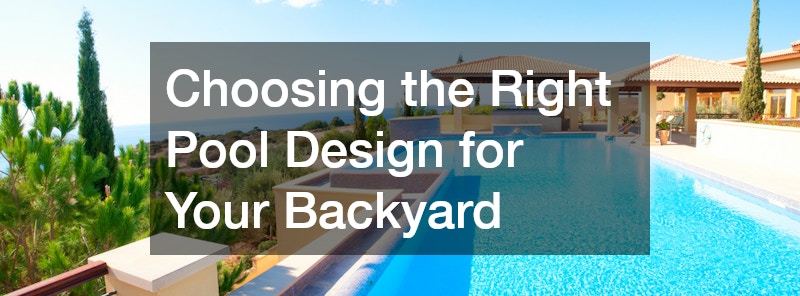
Selecting the perfect pool design for your backyard is an exciting yet complex process that combines creativity, practicality, and attention to detail. A well-designed pool can transform your outdoor space into a private retreat, offering a place to relax, entertain, and enjoy the beauty of your home. Whether you are planning a small, intimate backyard or a sprawling outdoor oasis, every decision—from the pool’s shape to the surrounding landscape—affects the overall appeal and functionality.
Working with a local pool builder can make a significant difference in achieving your vision. These professionals bring expertise in pool excavation, custom designs, and integrating your backyard with complementary features like landscaping, retaining walls, and astro turf. Beyond aesthetics, considerations such as pool leak detection, maintenance, and safety features are critical to ensuring that your pool remains enjoyable and functional for years to come.
In this article, we will explore the different types of pool designs, materials, landscaping strategies, and features that can enhance your backyard. We will also cover budget considerations and contractor selection, providing a comprehensive guide to creating a pool that is both beautiful and practical. By understanding these elements, you can make informed choices and collaborate effectively with pool designers and landscape professionals to achieve a backyard that reflects your style and needs.
What Are the Different Types of Pool Designs Available?

In-Ground Pools
In-ground pools are a popular choice for homeowners seeking a long-term addition that enhances both property value and outdoor enjoyment. These pools are constructed by excavating the ground to create a permanent structure, often built with concrete, vinyl, or fiberglass. A variety of shapes—from rectangular to freeform—can be tailored to suit your backyard space and personal aesthetic.
Working with a local pool builder ensures that excavation is handled professionally and efficiently. Proper pool excavation is essential not only for the foundation but also for long-term safety and durability. Additionally, these professionals often offer pool leak detection services during and after construction, providing peace of mind and reducing potential maintenance issues. In-ground pools can be customized with features such as waterfalls, spa areas, and integrated lighting to create a resort-like atmosphere at home.
Landscaping services often complement in-ground pool installations, blending the pool seamlessly with your yard. Landscape designers can integrate plants, trees, and hardscaping elements around the pool area while considering practical concerns such as soil drainage, sun exposure, and safety. By collaborating with retaining wall companies and landscape professionals, you can create a cohesive outdoor environment that enhances both functionality and visual appeal.
Above-Ground Pools
Above-ground pools provide a flexible and often more budget-friendly alternative to in-ground installations. These pools are installed on the surface of your lawn and typically require minimal excavation, making them a faster option for homeowners. Above-ground pools come in a variety of shapes and sizes, offering the ability to create a pool environment without major construction.
Despite being more temporary, these pools can still benefit from professional installation. Local pool builders can ensure the pool is leveled, properly supported, and integrated with features like decking, fencing, or even astro turf surrounds. Above-ground pools also allow for easier access to maintenance services, including pool leak detection and cleaning, helping to extend the life of your pool.
Incorporating landscape services around an above-ground pool can dramatically improve aesthetics. Lawn adjustments, retaining walls, and strategic plantings can make the pool feel like a natural part of your backyard. Landscape designers can recommend creative solutions such as terracing or raised platforms to enhance both function and style. Even for smaller spaces, above-ground pools offer the opportunity to create a backyard oasis without extensive construction.
How Do I Choose the Right Shape for My Pool?
Rectangular vs. Freeform Pools
Rectangular pools are ideal for homeowners who prefer a classic, geometric look with clean lines and symmetry. This shape is often easier to maintain and works well for lap swimming or structured pool games. Rectangular designs pair well with traditional landscaping and can be accentuated with retaining walls, pool decks, and carefully manicured lawns.
Freeform pools, on the other hand, provide a naturalistic appearance with flowing curves and irregular edges. They are often designed to mimic natural bodies of water, creating a more organic feel in the backyard. Landscape designers can incorporate elements like rocks, plants, and waterfalls to enhance the freeform style. Pool excavation for these designs may be more intricate, requiring precise planning and collaboration with a local pool builder to ensure structural integrity.
Both shapes can benefit from modern features such as integrated lighting, water features, and safety enhancements. Regardless of the shape, pool leak detection is a recommended step to ensure the structure is sound and to prevent long-term damage. Additionally, proper landscaping and hardscape integration enhance both functionality and visual appeal, providing a cohesive backyard environment.
Custom Shapes
Custom-shaped pools offer the ultimate flexibility for homeowners who want a unique, personalized outdoor space. With the guidance of a local pool builder, custom shapes can be designed to fit irregular lot layouts, specific lifestyle needs, or particular aesthetic visions. Customization may include curved edges, multiple levels, or unique focal points like built-in spas or sun shelves.
Pool excavation for custom shapes often involves careful planning and precise execution. Excavating irregular spaces requires professional expertise to avoid structural issues or drainage problems. Landscape services can complement custom pools by adding cohesive elements such as retaining walls, terraces, or artificial turf areas that blend seamlessly with the pool design. Collaborating with retaining wall companies or landscape designers ensures that both function and aesthetics are optimized.
Custom shapes also provide opportunities to incorporate advanced features such as water features, lighting, and integrated safety measures. Even in creative designs, pool leak detection and proper maintenance considerations remain essential for long-term enjoyment. By investing in custom shapes, homeowners can achieve a backyard that is both visually stunning and perfectly tailored to their needs.
What Materials Should I Consider for My Pool?

Concrete vs. Vinyl vs. Fiberglass
Concrete pools are highly versatile, allowing for virtually any shape and finish. They are durable and long-lasting, but the initial cost and construction time are higher compared to other materials. Concrete pools can be paired with decorative surfaces, water features, and advanced lighting to create a high-end backyard retreat.
Vinyl pools offer a cost-effective alternative, with smooth liners that can be replaced relatively easily over time. They provide flexibility in shape and size but may require more frequent maintenance and careful attention to prevent tears or leaks. Pool leak detection is especially important for vinyl pools to maintain their longevity and appearance.
Fiberglass pools are pre-fabricated and offer quicker installation with lower maintenance requirements. While customization options may be more limited, fiberglass pools provide a smooth surface that resists algae growth and reduces cleaning time. Regardless of the material, working with a local pool builder ensures that the pool is installed correctly and integrates well with landscaping and hardscape features.
Pool Surfaces and Finishes
The surface of your pool plays a crucial role in both aesthetics and maintenance. Options include plaster, pebble, quartz, or tile finishes, each providing a distinct look and feel. Smooth finishes are easier to clean and maintain, while textured surfaces can add depth and sophistication.
Surface choice can also impact water retention and durability. Pool leak detection services can help identify potential issues early, particularly with more porous surfaces like plaster. Combining a high-quality finish with thoughtful landscaping, such as strategically placed lawns, astro turf, or retaining walls, creates a cohesive backyard environment. Additionally, landscape designers can recommend complementary materials and color palettes to ensure the pool integrates naturally with the surrounding outdoor space.
How Does Landscaping Influence Pool Design?
Integration With Backyard Design
Landscaping plays a pivotal role in the overall appeal of your pool area. Thoughtful integration can turn a simple pool into a backyard sanctuary, blending natural elements, hardscaping, and functional zones seamlessly. Landscape designers often work alongside local pool builders to ensure that everything from pool excavation to surrounding terraces and retaining walls aligns with your vision.
Strategic placement of lawns, astro turf, and decorative features can define different areas around the pool, creating space for lounging, dining, or entertaining. Cross docking services may also be used for delivering materials efficiently during construction, keeping the project on schedule. By coordinating landscape services with the pool installation, homeowners can achieve a cohesive outdoor environment that enhances both usability and visual appeal.
Plants and Trees Around the Pool
Selecting plants around your pool requires careful planning. Trees with deep roots or heavy leaf drop may interfere with pool maintenance, while smaller shrubs or ornamental grasses can add privacy and texture. Landscape designers can recommend plant species that thrive in the local climate, complement the pool aesthetic, and minimize maintenance concerns.
Incorporating greenery around retaining walls or terraces adds softness to structural elements while improving overall aesthetics. Astro turf or lawn areas adjacent to the pool provide comfortable, low-maintenance spaces for relaxation or play. By combining pool excavation planning with professional landscape services, homeowners can ensure that the pool area is visually pleasing, functional, and easy to maintain.
What Features Can Enhance My Pool’s Design?
Water Features
Adding water features can elevate a pool from functional to extraordinary. Options such as waterfalls, fountains, and jets introduce movement and sound, creating a tranquil atmosphere. Local pool builders can integrate these features seamlessly during construction, ensuring proper plumbing and structural support.
Water features also provide opportunities for creative landscaping integration. Retaining walls, strategically placed plants, and outdoor lighting can enhance the visual impact of waterfalls or fountains. Proper maintenance, including pool leak detection, is essential to prevent water loss and preserve the longevity of these features. When executed thoughtfully, water features become a signature element of a backyard oasis.
Lighting and Ambiance
Lighting transforms a pool area after sunset, extending usability and enhancing ambiance. Options range from underwater LED lights to pathway lighting, illuminating both the pool and surrounding landscape. Landscape designers can create a cohesive lighting scheme that complements astro turf, lawn areas, and hardscape features, enhancing safety and aesthetics simultaneously.
In addition to aesthetics, lighting can highlight architectural elements such as retaining walls or terraces, drawing attention to the backyard’s design details. Incorporating timers or smart controls ensures efficient energy use, while regular maintenance and inspection help prevent issues with pool systems. Lighting is an essential consideration for anyone seeking a visually striking and functional pool environment.
How Can I Incorporate Safety Into My Pool Design?
Pool Fencing and Barriers
Safety is a critical factor in pool design, particularly for families with young children or pets. Pool fencing and barriers are often required by local regulations, providing an essential layer of protection. Local pool builders can recommend barrier solutions that comply with safety codes while complementing your backyard design.
Collaborating with landscape services and retaining wall companies can enhance the functionality and visual appeal of fencing. Proper integration ensures that barriers do not obstruct sightlines or interfere with surrounding lawn or astro turf areas. Investing in safety measures not only protects loved ones but also adds value and peace of mind to your property.
Non-Slip Surfaces and Pool Covers
Non-slip surfaces around the pool reduce the risk of accidents, particularly near wet areas such as steps and decks. Options include textured concrete, specialized tiles, or synthetic surfaces that provide traction without compromising aesthetics. Pool covers are another important safety feature, protecting children, pets, and debris from entering the water.
Maintenance of these surfaces is crucial for long-term safety and durability. Pool leak detection can help identify underlying issues that may affect structural integrity or water levels. Combining non-slip materials with thoughtfully designed landscape services ensures the pool area is both safe and visually harmonious.
What Is the Budget for Designing a Pool?

Initial Costs
The initial cost of building a pool varies widely depending on size, shape, materials, and additional features. In-ground pools generally require higher upfront investment due to excavation, materials, and installation of plumbing and filtration systems. Above-ground pools offer a more budget-friendly option, but professional installation with a local pool builder can still impact overall costs.
Additional elements such as water features, lighting, retaining walls, and landscaping can further influence the budget. Landscape services, lawn preparation, and astro turf installation all contribute to creating a finished backyard environment. Careful planning and collaboration with contractors can help homeowners maximize their investment while achieving the desired aesthetic and functional results.
Long-Term Maintenance Costs
Maintaining a pool involves ongoing expenses, including cleaning, water treatment, and repairs. Pool leak detection is a critical service that helps prevent costly damage and ensures the pool remains safe and efficient. Regular inspections, seasonal maintenance, and upkeep of surrounding landscaping, such as lawn care or astro turf maintenance, contribute to long-term enjoyment and durability.
Choosing durable materials and finishes can also reduce maintenance costs over time. Working with a local pool builder and landscape designers ensures that both the pool and surrounding areas are designed for ease of maintenance. Considering both initial and long-term costs allows homeowners to make informed decisions that balance beauty, functionality, and budget.
How Do I Choose a Contractor for My Pool Project?
Researching Pool Contractors
Selecting the right contractor is essential for a successful pool project. Start by researching local pool builders with proven experience in both construction and pool excavation. Reading reviews, checking portfolios, and seeking references provides insight into their reliability and expertise.
Contractors who offer additional services, such as pool leak detection, landscaping, and collaboration with retaining wall companies, can provide a more cohesive and efficient process. Engaging a contractor who coordinates with landscape designers and other professionals ensures that the pool integrates seamlessly with your backyard.
Questions to Ask Your Contractor
When interviewing potential contractors, ask about experience with the specific type of pool you want, including materials, shapes, and custom features. Inquire about their approach to pool excavation, safety measures, and ongoing maintenance services such as leak detection.
Additional questions might cover how they coordinate with landscape services, astro turf installation, or lawn preparation. Understanding their timeline, budget estimates, and cross docking logistics for materials helps ensure the project runs smoothly. A contractor who communicates clearly and demonstrates expertise in both pool construction and landscape integration will be the best partner for creating your ideal backyard pool.
Choosing the right pool design for your backyard requires careful consideration of multiple factors, including shape, materials, landscaping, features, and safety. Collaborating with a local pool builder ensures that pool excavation, installation, and maintenance needs are handled professionally, while pool leak detection helps protect your investment. Integrating landscape services, lawn areas, astro turf, retaining walls, and design elements can transform your pool into a functional and visually stunning retreat.
Budget planning, both for initial construction and long-term maintenance, is essential for ensuring a sustainable and enjoyable pool experience. By researching contractors, asking the right questions, and involving landscape designers, homeowners can achieve a cohesive backyard design that balances aesthetics, safety, and functionality. Ultimately, a thoughtfully designed pool enhances not only your property’s value but also your outdoor lifestyle, creating a space for relaxation, entertainment, and memorable moments with family and friends.
