Every homeowner knows the silent anxiety that comes with peak seasonal weather. In the dead of winter or the suffocating heat of summer, the thermostat ceases to be a simple tool for comfort and transforms into a ticking financial clock. As energy prices fluctuate, the battle to maintain a stable, pleasant indoor environment without draining your bank account becomes a top priority. Too often, our immediate reaction to an uncomfortable room is to crank up the dial, a brute-force approach that addresses the symptom rather than the root cause. This strategy inevitably leads to eye-popping utility bills and places immense mechanical strain on your equipment, accelerating its eventual demise.
True climate control requires looking at your property as an interconnected ecosystem. Every window pane, structural junction, and mechanical component plays a vital role in trapping the air you pay to condition. When one part of this system fails, the remaining elements must work twice as hard to compensate. Fortunately, achieving an affordable indoor climate does not require an all-or-nothing financial commitment. By implementing a strategic mix of proactive weekend tasks and identifying the high-return structural upgrades that warrant professional execution, you can permanently lower your energy baseline.
Sealing the Envelope: Securing Doors and Windows
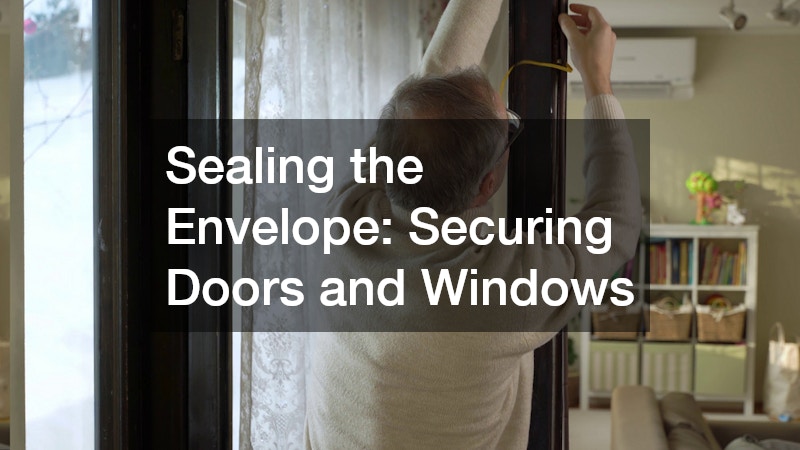
The structural boundary of your home is the first line of defense against the elements. Gaps around your entry points act like open valves, allowing expensive, conditioned air to escape while drawing in raw, unconditioned outdoor air. Before spending money on major mechanical overhauls, you must address these architectural weak points. A simple way to locate these invisible energy drains is to perform a visual inspection on a bright day. Stand inside and look for daylight peaking through the margins of your external entries. Alternatively, moving a lit stick of incense slowly around the perimeters of your glass panels will reveal hidden currents; if the smoke begins to dance or drift horizontally, you have a leak.
For minor gaps, inexpensive remedies offer immediate returns. High-quality silicone caulk can seal fixed gaps where frames meet drywall, while flexible foam or v-strip weatherstripping can line the active tracks of moving sashes. However, simple topical fixes cannot always compensate for structural degradation. Over decades, heavy exterior frames can sag, warp, or rot from moisture exposure, preventing a square, tight seal. In these scenarios, investing in professional door installation is the only way to restore structural integrity. Modern exterior units feature foam-filled cores, integrated thermal breaks, and factory-applied magnetic weather sealing that completely block drafts in ways a simple strip of adhesive foam never could.
Once the physical frames are secured, you must address radiant heat transfer through the glass itself. Unprotected panes turn your rooms into greenhouses during the summer and heat sinks during the winter. Installing insulating window treatments is one of the most effective ways to manage this thermal exchange. Cellular or honeycomb shades trap a distinct layer of still air within their pleated pockets, creating a powerful buffer between the room and the glass surface. During high-heat months, keeping these shades drawn on the south and west sides of the house can slash solar heat gain dramatically, providing immediate relief to your cooling apparatus without altering the thermostat.
- Inspect all exterior thresholds for worn bottom sweeps and replace them with adjustable vinyl or rubber versions.
- Apply clear insulating shrink-film over older, single-pane glass surfaces during the winter to simulate a double-pane barrier.
- Use heavy, tightly woven thermal draperies that puddle slightly on the floor to prevent cool air cascades from dropping down cold glass surfaces into your living space.
Structural Protection: The Thermal Shield Above Your Head
If your windows and doors are the walls of your fort, your attic and roof represent the main canopy. Because heat naturally rises, your attic is a critical thermal battleground. In the summer, radiant heat from the sun beats down on the shingles, elevating attic temperatures to dangerous levels. This intense heat eventually migrates down through the ceiling insulation and into your bedrooms. In the winter, warm indoor air escapes into the attic, where it can melt snow on the roof, leading to water backup and severe structural damage.
Ensuring proper passive ventilation is the first line of defense. Soffit vents located under the eaves must remain entirely unobstructed by loose insulation so that cool air can enter freely, pushing hot, stagnant air out through the ridge vents at the peak of the roof. Regularly clearing away spiderwebs, dust, and stray insulation from these channels costs nothing but can drop attic temperatures significantly. When structural vulnerabilities extend beyond ventilation, more substantial intervention is required. If your shingles are curling, missing, or losing their protective granules, your home loses its primary defense against thermal radiation and moisture. Hiring certified roofing contractors to perform structural evaluations can prevent small leaks from destroying your underlying ceiling insulation. These professionals can also install radiant barriers or reflective shingles that bounce solar energy away from the structure entirely.
To actively assist passive ventilation systems, mechanical air movement is often necessary, particularly in older properties with shallow roof pitches. Pulling hot air out mechanically prevents it from radiating downward into the living space. Because working with high-voltage lines in tight, unconditioned spaces presents unique hazards, bringing in an experienced electrician is the smartest choice. A professional can properly wire a dedicated attic exhaust fan with an integrated humidistat and thermostat, ensuring the fan only runs when performance parameters demand it, thereby keeping operational costs completely optimized.
- Verify that your attic insulation depth meets or exceeds local building recommendations, typically aiming for an R-49 to R-60 rating.
- Seal the often-overlooked attic access hatch with thick foam board insulation and a perimeter gasket to prevent direct air exchange with the hallway below.
- Check the underside of the roof decking for dark water staining or mold, which signals inadequate air movement and impending structural decay.
Maximizing Efficiency in the Distribution System

You can possess the most technologically advanced climate equipment on the market, but if your distribution network is compromised, your utility bills will remain high. In homes with forced-air systems, the network of metal or flexible pipes running through crawlspaces, basements, and walls is responsible for moving air to your living zones. Unfortunately, the vast majority of residential air networks are plagued by loose joints, disconnected runs, and uninsulated pathways, allowing up to thirty percent of the conditioned air to bleed into unused spaces before ever reaching a single register.
Sealing accessible joints in a basement or utility room is an impactful weekend project. You should skip traditional cloth duct tape, which degrades rapidly under temperature fluctuations, and instead use specialized mastic sealant or heavy-duty foil tape. Painting mastic over exposed seams creates a permanent, flexible seal that stands up to constant pressure changes. When the issues reside deeper within the structure—such as crushed flexible runs, disconnected stacks hidden behind plaster, or poorly designed plenums that restrict airflow—a complete duct installation becomes necessary. A professional layout ensures that static pressure remains balanced throughout the system, allowing air to flow smoothly to the furthest rooms without overworking the central blower motor.
While air moves through the walls, the surfaces under your feet also dictate how comfortable a room feels. Cold floors draw heat away from human bodies through conduction, making you feel chilled even if the ambient air temperature is technically adequate. Addressing your flooring choices can dramatically alter the thermal perception of a room. Installing thick wool area rugs over bare surfaces creates an immediate insulative barrier. If you are planning a renovation, opting for flooring systems that incorporate thick cork or closed-cell foam underlayments can isolate the living space from cold concrete slabs or unheated crawlspaces, keeping your feet warm and your thermostat settings conservative.
- Clean your registers and return grilles regularly with a vacuum brush attachment to remove dust buildup that chokes system airflow.
- Ensure that internal doors are not blocking return air paths; if a room lacks a return grille, keep the door cracked to prevent air pressure imbalances.
- Inspect visible flexible runs for sharp kinks or sagging sections that choke off air velocity and straighten them using wide hanging straps.
Proactive Heating Interventions Before Winter Hits

When the seasons shift and the first true frost arrives, your heating system faces its most intense trial. Waiting until a historic blizzard hits to find out if your heating infrastructure is functional is a recipe for disaster and inflated emergency call fees. Simple maintenance steps completed during the mild autumn months ensure that your system operates safely and efficiently when the workload spikes.
The most important task is also the simplest: replacing the air filter. A heavily clogged filter chokes the system, forcing the heat exchanger to run hotter and the blower motor to pull more electricity. Swapping filters every thirty to ninety days preserves the longevity of internal components and maintains optimal heat transfer. Homeowners should also monitor their equipment for subtle warning signs, such as unusual rattling sounds, persistent short-cycling, or inconsistent temperatures across different rooms. When these issues arise, ignoring them can lead to a catastrophic mechanical failure when you need heat the most. Investing in professional furnace repairs early allows technicians to swap out failing igniters, clear blocked burners, and inspect heat exchangers for dangerous hairline cracks before the system shuts down completely during a freeze.
For complex heating systems, including modern heat pumps, multi-zone boilers, or high-efficiency gas setups, basic troubleshooting is rarely enough. The delicate balance of fuel mixtures, electrical currents, and pressure sensors requires specialized tools. Engaging a certified heating contractor for a comprehensive seasonal tune-up ensures that gas pressures are precisely calibrated, draft induction motors are pulling correct amperages, and safety controls are fully functional, providing peace of mind and predictable energy consumption through the darkest months.
- Keep all furniture, drapes, and toys at least three feet away from baseboard heaters, radiators, and hot air registers to maximize natural heat distribution.
- Bleed older hot water radiators using a radiator key at the start of the season to release trapped air pockets that prevent hot water from filling the units.
- Install a programmable or smart thermostat to automatically drop indoor temperatures by several degrees while you are sleeping or away from home.
Cooling Optimization and Long-Term System Sizing

Summer brings its own set of unique climate challenges, demanding that your cooling systems pull massive amounts of moisture and heat out of your home hours at a time. The outdoor condenser unit is the unsung hero of this process, acting as the dumping ground for all the heat extracted from your indoor spaces. If this exterior machinery cannot breathe, heat builds up within the refrigeration loop, causing power consumption to skyrocket while cooling capacity plummets.
Basic exterior hygiene is paramount. Homeowners must clear away encroaching weeds, leaves, and debris from the perimeter of the outdoor unit, maintaining a clear two-foot buffer zone on all sides. Gently rinsing the exterior aluminum fins with a garden hose removes embedded pollen and dust that insulates the coils. However, when the system experiences electrical glitches, low refrigerant levels, or failing compressors, home remedies are no longer an option. Promptly scheduling professional air conditioning repairs when you notice weak airflow or lukewarm air from your vents can save you from a complete compressor burnout. Technicians can locate pinpoint refrigerant leaks, swap out bulging capacitors, and ensure the cooling loop operates at peak thermal efficiency.
As equipment ages, there comes a point where repeatedly fixing a decaying system makes little financial sense. An oversized or undersized unit will cycle improperly, destroying your comfort and inflating your bills. When looking for comprehensive, long-term relief, evaluating independent HVAC companies for a system replacement is the logical next step. A qualified team will perform a detailed manual calculation that takes into account your insulation levels, window orientations, and total square footage. This ensures your replacement system is perfectly sized to maintain a flawless indoor climate efficiently for the next two decades.
- Check the outdoor condensate drain line frequently to make sure water is dripping freely, preventing algae blockages from backing up into your home.
- Avoid using heat-generating appliances like ovens, clothes dryers, and dishwashers during the hottest hours of the afternoon to keep the internal cooling load low.
- Utilize ceiling fans to create a wind-chill effect while you are in the room, allowing you to set the thermostat a few degrees higher without sacrificing personal comfort.
Managing an affordable home climate is possible through consistent house maintenance and smart structural stewardship. By addressing air leaks, maintaining ventilation, protecting air paths, and tuning mechanical systems, you control your environmental footprint. Delaying maintenance can be costly. Proactive steps like applying caulk, cleaning condenser coils, or scheduling checkups reduce monthly costs. Protecting your home from extreme weather is affordable with a clear plan, some effort, and professional help, ensuring comfort and budget stability.
