In this article, we will explore essential maintenance techniques that can help you avoid the inconvenience and cost of emergency AC repairs. Keeping your AC in top condition not only enhances its performance but also extends its lifespan. By implementing a regular maintenance schedule, homeowners can ensure that their air conditioning unit operates efficiently and reliably throughout its life cycle.
Maintenance helps to identify potential problems early, reducing the likelihood of unexpected breakdowns. Proper upkeep of your AC system ultimately saves you money and provides peace of mind during those hot summer months when reliable cooling is most necessary.
1. What are the essential maintenance tasks for preventing AC breakdowns?
Essential maintenance tasks for preventing AC breakdowns include checking and replacing air filters, inspecting cooling coils, and clearing drainage lines. Regularly changing air filters is important as clogged filters reduce air flow, forcing the system to work harder and possibly leading to failures. Checking the condition of cooling coils can prevent the accumulation of dirt that impairs heat absorption and can lead to inefficiency. It’s also vital to ensure the drainage line is clear to prevent water damage or system failure. Together, these tasks maintain system efficiency and lengthen the lifespan of your air conditioning unit.
Homeowners should also check the refrigerant level and ensure that it is at the optimal amount. A low refrigerant level can indicate a leak, compromising the cooling power and potentially damaging the compressor. Keeping the area around the outside unit clear of debris ensures proper airflow and prevents the unit from overheating. In addition, testing the thermostat ensures that it reflects the correct indoor temperature and controls the air conditioning accurately. These preventative actions are essential in minimizing the risk of unexpected AC breakdowns and reducing maintenance costs in the long run.
Finally, cleaning or replacing the fan blades is an often-overlooked task that can impact system efficiency. As dust accumulates on fan blades, it can throw the fan off balance, leading to vibrations and potential mechanical wear. Ensuring belt tension is correct can prevent slippage and operational issues. Inspecting electrical connections and tightening any loose connections eliminates potential risks of shorts or AC malfunctions. Each of these tasks, although seemingly minor, plays a significant part in ensuring the health and reliability of your AC system.
2. How often should AC maintenance be performed?
Routine AC maintenance should generally be carried out at least once a year, ideally before the beginning of the summer season when the unit will be used most frequently. A spring inspection allows for early detection and repair of issues before heavy use, ensuring efficiency and lower utility bills. For those who reside in hotter climates or areas with extended usage periods, biannual maintenance may be advisable. Regularly scheduled maintenance can catch minor issues before they escalate into costly repairs. Additionally, units under heavy use might require quarterly filter checks and biannual coil cleanings.
By sticking to a regular maintenance schedule, homeowners can ensure continuous operation of their AC unit and prevent costly downtime. While it may be tempting to skip annual maintenance to save money, the cost of emergency repairs can be exorbitant compared to routine checks. An AC unit that hasn’t been serviced regularly is more likely to experience failures and lead to costly emergency repairs. Performing timely maintenance ultimately saves money by preserving the unit’s lifespan and enhancing its efficiency. Therefore, it is essential to integrate regular AC maintenance into your home care routine.
Another factor to consider is that professional maintenance checks often provide homeowners with an opportunity to gain insight into the workings of their AC system. Technicians can offer recommendations for improvements or adjustments to enhance performance and energy efficiency. This proactive approach to system maintenance not only prevents breakdowns but also extends equipment life. Engaging professional services also allows technicians to monitor particular metrics over time, offering an added layer of reliability assessment. Regular maintenance schedules provide peace of mind knowing that your AC system is running at its optimal capabilities.
3. Can preventative maintenance reduce energy costs?
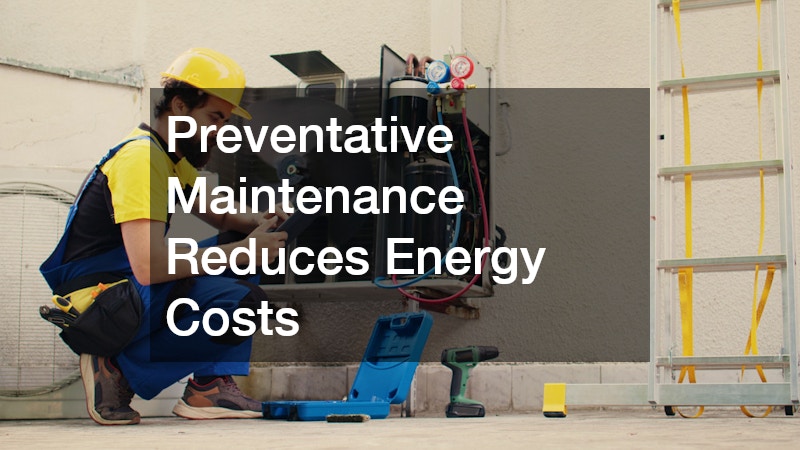
Yes, preventative maintenance can significantly reduce energy costs by improving AC efficiency. When a system is operating smoothly and all components are in optimal condition, it conserves energy, lowering utility bills. For example, when air filters are clean, air circulates more freely, reducing the workload on the blower and consuming less energy. Similarly, well-maintained coils transfer heat more effectively, allowing the system to cool more efficiently. The overall reduction in energy consumption directly translates into lowered monthly energy bills.
In addition to the immediate benefits of reduced energy costs, regular maintenance can also prevent excessive wear and tear on components, further contributing to savings. When components have to work harder due to neglect (like clogged coils or dirty filters), they consume more power. Preventative maintenance ensures that each component operates within its intended capacity, optimizing energy use. Over time, the cumulative savings from reduced energy bills can be substantial. These savings help to offset the cost of routine maintenance, reinforcing its value.
Moreover, many homeowners find that a reliable and efficient AC system enhances overall comfort, as it more effectively maintains desired temperature levels. This improved efficiency not only creates a more comfortable living environment but also contributes to the reduction of energy demands. By regular upkeep and system checking, any potential inefficiencies that lead to unnecessarily high energy consumption can be identified and resolved. Consequently, the combination of improved efficiency and reduced energy costs underscores the significance of routine preventative maintenance.
4. What tools and materials are needed for AC maintenance?
AC maintenance requires a variety of tools and materials to ensure thorough and effective upkeep. Essential items include screwdriver sets, fin straighteners, coil cleaners, and a wet/dry vacuum for cleaning debris from the unit. Multimeters are also valuable for measuring voltage and ensuring electrical components are operating correctly. Protective gear like gloves and goggles are important when dealing with components that might expose you to electrical risks or sharp edges. These tools make it possible to conduct routine checks and address minor issues without professional assistance.
In addition to tools, having the right materials on hand, such as replacement air filters, is crucial for immediate component swaps and preventing long-term damage. Lubricants might also be necessary for keeping moving parts like fan motors running smoothly. For more technical adjustments, having a refrigerant gauge and hose can help when checking refrigerant levels, ensuring that the unit is operating within prescribed parameters. By preparing with these materials, homeowners can conduct DIY maintenance efficiently and effectively. This readiness allows prompt maintenance, minimizing downtime and preventing extended periods of inefficiency.
While many tasks can be performed independently, it’s imperative to understand the limitations of DIY maintenance. Complex issues such as refrigerant leaks or major mechanical failures should be left to professionals to handle. DIY maintenance is best complemented by professional inspections to cover all aspects of AC system performance and health. Having basic tools and materials does empower homeowners to perform important upkeep, though expert assessment guarantees that nothing critical is overlooked. A balanced approach to maintenance ensures the safety and extended functionality of the AC unit.
5. Are there professional services that can help with AC maintenance?
Yes, professional AC maintenance services can provide thorough inspections and maintenance to ensure the longevity and efficiency of your system. Hiring a licensed HVAC technician to conduct routine inspections covers a wide range of maintenance activities that may be difficult for the average homeowner. Professionals have the tools and expertise to identify potential problems that may not be apparent during regular visual inspections. Technicians are skilled in diagnosing electrical and mechanical issues, offering solutions to optimize system performance. Routine checks done by professionals safeguard against unexpected repairs, providing peace of mind.
Professional services also include checking for proper refrigerant levels, testing thermostat calibration, and cleaning necessary components to maintain system efficiency. They can assess the condition of the system thoroughly, identifying parts that may soon require replacement. Experienced technicians can also advise on energy-saving tips specific to your unit style, further reducing operational costs. They provide a layer of assurance that connects maintenance with practical insights on system improvements and upgrades. Professional services offer a holistic approach to AC maintenance that retains comfort while reducing the likelihood of system failures.
Beyond basic checks, engaging professional AC services provides the opportunity for regular system monitoring. This ongoing relationship ensures that all measurements consistently portray accurate system health and performance levels. Additionally, these services often provide comprehensive maintenance packages fostering regular servicing throughout the year, often at better cost efficiencies. By investing in professional maintenance, homeowners gain from the expertise and experience of technicians, ultimately extending the life and reliability of their AC systems. Such services ensure homeowners remain financially prepared and physically comfortable even under peak conditions.
By implementing these maintenance techniques and understanding their significance, you can significantly decrease the chances of encountering emergency AC repair situations. Regular upkeep not only ensures optimal cooling efficiency but also enhances the safety and reliability of your air conditioning system. Engaging in preventive maintenance, whether through DIY methods or by hiring professionals, plays a crucial role in extending the system’s life and improving energy efficiency. Ultimately, investing time and resources into routine maintenance can lead to greater comfort, lower utility bills, and less frequent emergency repairs. A well-maintained AC system is a less stressful and financially wiser choice for resilient home climate control.